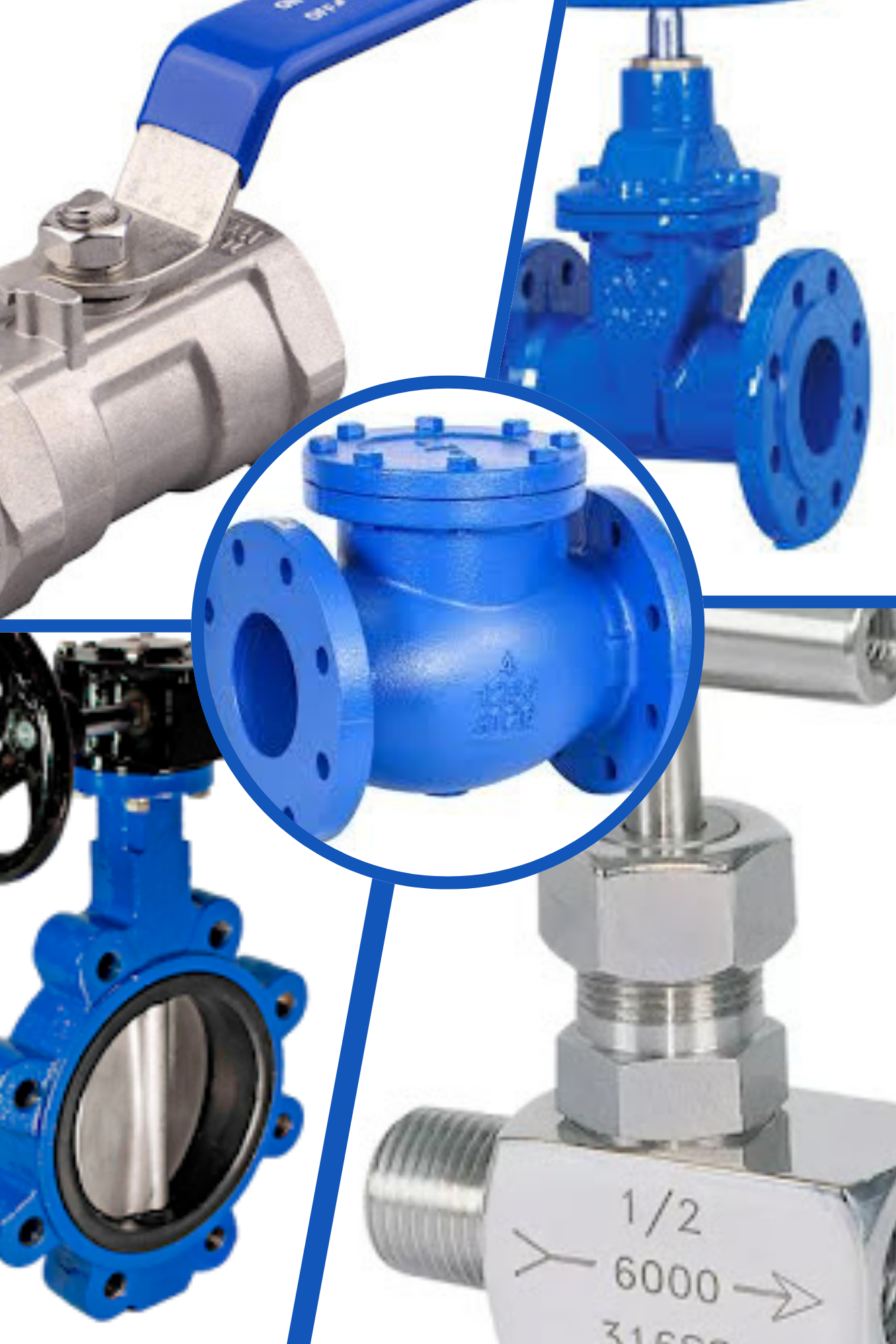
Types of Plumbing Valves: Check, Ball, Gate, Butterfly & More
Types of Plumbing Valves: Valves are important parts of any plumbing system. This is due to their crucial role in regulating the flow of water, gas, or other fluids within a pipeline. A valve can start or stop flow, regulate pressure, prevent backflow, and protect equipment; that means it is a control device. In homes, industries, and commercial buildings, different types of valves are used based on the function and type of fluid. Understanding the types of valves makes it easier to choose the right one for a plumbing job.
Check Valve:
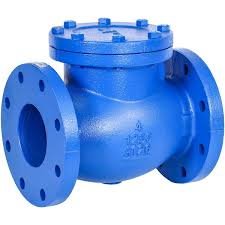
The main mechanism of a check valve is that it allows the fluid to flow in only one direction. It automatically stops flow when the fluid tries to flow in reverse. Check valves are common in water supply lines, pumps, and sewage systems. They are simple, require little maintenance, and work automatically without external control.
Ball Valve:
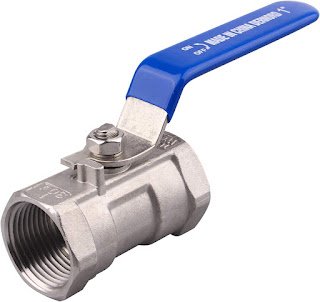
A ball valve has a round ball with a hole through the middle. Turning the handle rotates the ball to open or close the flow. Ball valves are known for their quick shut-off ability. They seal tightly and can be operated with a simple quarter-turn. They are used in water lines, gas lines, and many industrial applications. Ball valves last long and are easy to operate.
Gate Valve:
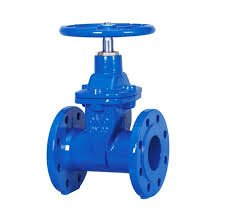
A gate valve uses a flat or wedge-shaped gate that moves up or down to start or stop flow. It is best for applications where the valve is either fully open or fully closed. Gate valves are not ideal for controlling flow because partial opening can cause wear. They are often used in main water supply lines due to their durability.
Needle valve:
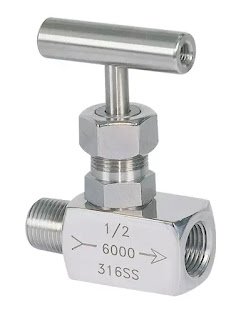
A needle valve has a small, tapered point (like a needle) that fits into a matching seat. Turning the handle moves the needle up or down to control flow precisely. Needle valves are used where very fine adjustments are needed, such as in small pipelines, instrumentation systems, or chemical dosing lines.
Butterfly Valve:
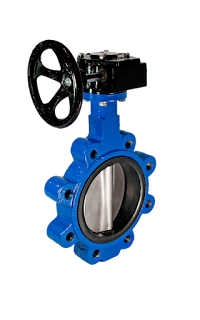
A butterfly valve has a disc mounted on a rod. Turning the handle rotates the disc to open or close flow. This valve is lightweight, cost-effective, and good for large pipe sizes. It can be used for throttling (controlling) flow as well. Butterfly valves are common in water treatment plants, HVAC systems, and industrial pipelines.
Globe Valve:
A globe valve is designed for throttling or regulating flow. It has a movable plug (or disc) that moves against a stationary ring seat. This design allows precise control over flow and pressure. Globe valves are widely used in water systems where flow regulation is needed, such as in faucets, cooling systems, or process lines.
Control Valve:
A control valve automatically adjusts flow, pressure, or temperature based on signals from a controller. It can be manual or automatic and is often used in industrial and process plants. Control valves help maintain steady conditions and improve system efficiency.
Relief Valve:
A relief valve protects a plumbing system from excessive pressure. When the pressure exceeds a preset limit, the valve opens automatically and releases fluid to reduce the pressure. This prevents pipe bursts, equipment damage, or accidents. Relief valves are essential in boilers, pumps, and pressurized systems.
Diaphragm Valve:
A diaphragm valve uses a flexible diaphragm that moves up or down to control flow. It provides a tight seal and is suitable for corrosive fluids, slurries, or systems where cleanliness is important. These valves are often used in chemical plants, water treatment, and food processing.
Plug Valve:
A plug valve has a cylindrical or conical plug with a hole. Rotating the plug allows or blocks flow. Plug valves are simple, durable, and good for quick on/off control. They are used in gas, oil, and chemical pipelines.
Pinch Valve:
A pinch valve uses a flexible tube or sleeve that is pinched to stop flow. When released, the flow resumes. This valve is especially useful for handling slurries, abrasives, or fluids with suspended solids. It is simple and requires low maintenance.
Frequently Asked Questions (FAQ) About Valves Used in Plumbing:
1. What is the purpose of a valve in a plumbing system?
A valve controls the flow of water, gas, or other fluids in a pipeline. It can start or stop flow, regulate pressure, or prevent backflow.
2. What is a check valve used for?
A check valve allows fluid to flow in only one direction. It prevents backflow that can damage pumps or contaminate clean water.
3. Which valve is best for quick shut-off?
A ball valve or plug valve is best for quick shut-off. They work with a simple quarter-turn and seal tightly.
4. Which valves are used for precise flow control?
Needle valves and globe valves are used for precise flow control. They allow small, accurate adjustments to the flow rate.
5. How do relief valves protect a plumbing system?
Relief valves open automatically when pressure becomes too high. This protects pipes and equipment from damage due to excessive pressure.